

These Chewy Soft Chocolate Chip Cookies are pure nostalgic bliss, delivering a tender, pillow-like center contrasted by slightly crisp, golden-brown edges. Each bite releases ribbons of melted semisweet chocolate, while subtle vanilla notes and buttery depth create that perfect chewy texture you’ll crave. Whether you’re new to baking or a cookie connoisseur, this beginner-friendly dessert will have you reaching for seconds—and maybe thirds—before you know it!
Key Ingredients
To make these Chewy Soft Chocolate Chip Cookies, you’ll need a handful of pantry staples that come together for that irresistible chew and gooey chocolate pockets.
- 2 1/4 cups all purpose flour: Provides structure and chewiness as gluten develops in the dough.
- 1 teaspoon baking soda: A leavening agent that helps cookies rise and spread evenly.
- 1 teaspoon salt: Balances sweetness and enhances the other flavors.
- 1 cup unsalted butter, softened: Adds richness, tenderness, and that buttery depth.
- 3/4 cup granulated sugar: Sweetens the dough and promotes slightly crisp edges.
- 3/4 cup packed brown sugar: Contributes moisture and a warm molasses flavor for chewiness.
- 1 teaspoon vanilla extract: Infuses subtle aromatic notes to elevate overall taste.
- 2 large eggs: Bind ingredients together and add moisture for a tender, pillowy crumb.
- 2 cups semisweet chocolate chips: Delivers melty bursts of chocolate in every bite.
How To Make Chewy Soft Chocolate Chip Cookies
Baking the perfect chewy cookie is all about timing, temperature, and gentle mixing. These steps guide you through creating a smooth dough, folding in your chocolate chips without overworking the batter, and baking just long enough for golden edges and soft centers.
1. Preheat your oven to 375°F (190°C) and line baking sheets with parchment paper to prevent sticking and promote even browning.
2. In a medium bowl, whisk together the flour, baking soda, and salt until evenly combined, ensuring every bite has balanced flavor.
3. In a large bowl, beat the softened butter, granulated sugar, and brown sugar with an electric mixer until creamy and light, about 2 minutes.
4. Add the vanilla extract, then the eggs one at a time, mixing well after each addition to create a smooth, homogenous dough.
5. Gradually add the flour mixture to the butter-sugar base, stirring gently until just combined—avoid overmixing to keep cookies tender.
6. Fold in the chocolate chips using a spatula until they’re evenly distributed throughout the dough.
7. Scoop tablespoonfuls of dough onto the prepared sheets, spacing each mound about 2 inches apart to allow for spreading.
8. Bake for 9 to 11 minutes, or until edges are lightly golden but centers still appear soft and slightly underbaked.
9. Let cookies cool on the baking sheet for 2 minutes, then transfer to a wire rack to finish cooling and set up properly.
Serving Suggestions
These cookies are delightful on their own, but a few serving twists can turn them into an unforgettable treat:
- Enjoy them warm straight from the oven on a wire rack for a gooey center and crisp edges.
- Pair with a tall glass of cold milk to balance the sweetness and enhance that fudgy chocolate.
- Serve alongside a scoop of vanilla ice cream for a classic cookie–ice-cream sandwich experience.
- Arrange on a dessert platter with fresh berries and whipped cream for a pretty party spread.
Tips For Perfect Chewy Soft Chocolate Chip Cookies
I’ve learned a few tricks over countless batches, and these simple tips make every cookie batch shine. Keep your ingredients at the right temperature, give the dough a little chill when needed, and choose good storage methods so your cookies stay soft and dreamy.
- Using room temperature ingredients helps achieve a uniform dough that blends smoothly.
- Chilling the dough for 30 minutes can prevent excessive spreading and yield thicker cookies.
- Store cookies in an airtight container at room temperature to maintain their soft texture.
- Freeze baked cookies or freeze dough balls for later baking without losing that fresh-baked taste.
How To Store It
Proper storage keeps these cookies tasting freshly baked long after you’ve pulled them from the oven. Whether you’ll munch them over a couple of days or save batches for weeks, these methods preserve texture and flavor.
- Store cooled cookies in an airtight container at room temperature for up to five days to keep them soft.
- To freeze baked cookies, layer them between sheets of parchment paper in a freezer-safe container for up to three months; thaw at room temperature.
- Freeze dough balls by placing scoops on a baking sheet until firm, then transfer to a resealable freezer bag; bake from frozen, adding 1–2 minutes to baking time.
- Refrigerate dough in a sealed container if you plan to bake within 24 hours—this helps maintain shape and concentrate flavors.
Frequently Asked Questions
Here are answers to the most common cookie queries so you can bake with confidence:
- How long does it take to prepare this recipe?
It takes about 20 minutes to prepare the dough, including measuring and mixing ingredients, plus 9 to 11 minutes of baking time per batch. Allow an additional 2 minutes of cooling on the baking sheet and optionally 30 minutes of chilling time if you choose to refrigerate the dough before baking.
- Can I substitute any of the sugars or adjust the sweetness?
You can substitute light brown sugar for dark brown sugar, which will slightly alter the cookie’s molasses flavor but keep the chewiness. Reducing the granulated sugar by up to two tablespoons may produce a less sweet cookie, but cutting more can affect texture. For a more caramel note, replace up to half the brown sugar with coconut sugar, though cookies may spread a bit more.
- Why is it recommended to use room temperature ingredients?
Room temperature butter and eggs blend more uniformly with the sugars and dry ingredients, creating an even, creamy dough that traps air. This improves cookie rise and texture. Cold ingredients can result in uneven mixing, dense spots, or excess spreading during baking.
- What does chilling the dough do, and how long should I chill it?
Chilling the dough for at least 30 minutes firms the butter, slowing spread and yielding thicker, chewier cookies with crisp edges. If you prefer a thinner, crisper cookie, you can skip chilling, but keep an eye on baking time as thinner cookies brown more quickly.
- How can I ensure my cookies turn out chewy rather than cakey or crunchy?
Use the specified ratio of brown to granulated sugar, cream butter and sugars just until light and fluffy, and avoid overmixing once flour is added. Bake until the edges are lightly golden but centers still look soft—usually 9 to 11 minutes. Removing cookies from the oven while centers are slightly underbaked ensures they set up chewy as they cool.
- What should I do if my cookies spread too much or become too thin?
First, check that your flour measurement is accurate—spoon flour into the cup and level off, rather than scooping. Next, chill the dough to firm butter before baking. Also, ensure your oven temperature is calibrated; an oven thermometer can verify it’s at a true 375°F (190°C). If cookies still spread, reduce baking soda by a quarter teaspoon or add a tablespoon of extra flour.
- How do I store baked cookies and can I freeze dough or finished cookies?
Store fully cooled cookies in an airtight container at room temperature for up to five days to maintain softness. To freeze baked cookies, layer them between sheets of parchment in a freezer-safe container for up to three months; thaw at room temperature. To freeze dough, scoop tablespoonfuls onto a sheet, freeze until solid, then transfer balls to a freezer bag. Bake from frozen, adding an extra 1–2 minutes to the baking time.
What Makes This Special
These Chewy Soft Chocolate Chip Cookies hit that sweet spot between tender pillowiness and a delightfully crisp edge, thanks to the perfect balance of brown and granulated sugars, room-temperature butter, and a brief oven bake. Their gooey pockets of semisweet chocolate bring pure joy with every bite. Feel free to print and save this recipe for a rainy afternoon bake-off—or gift a stack of cookies to a friend in need of frosting smiles. Have questions, feedback, or cookie tales to share? Drop a comment and let me know how your batch turned out!
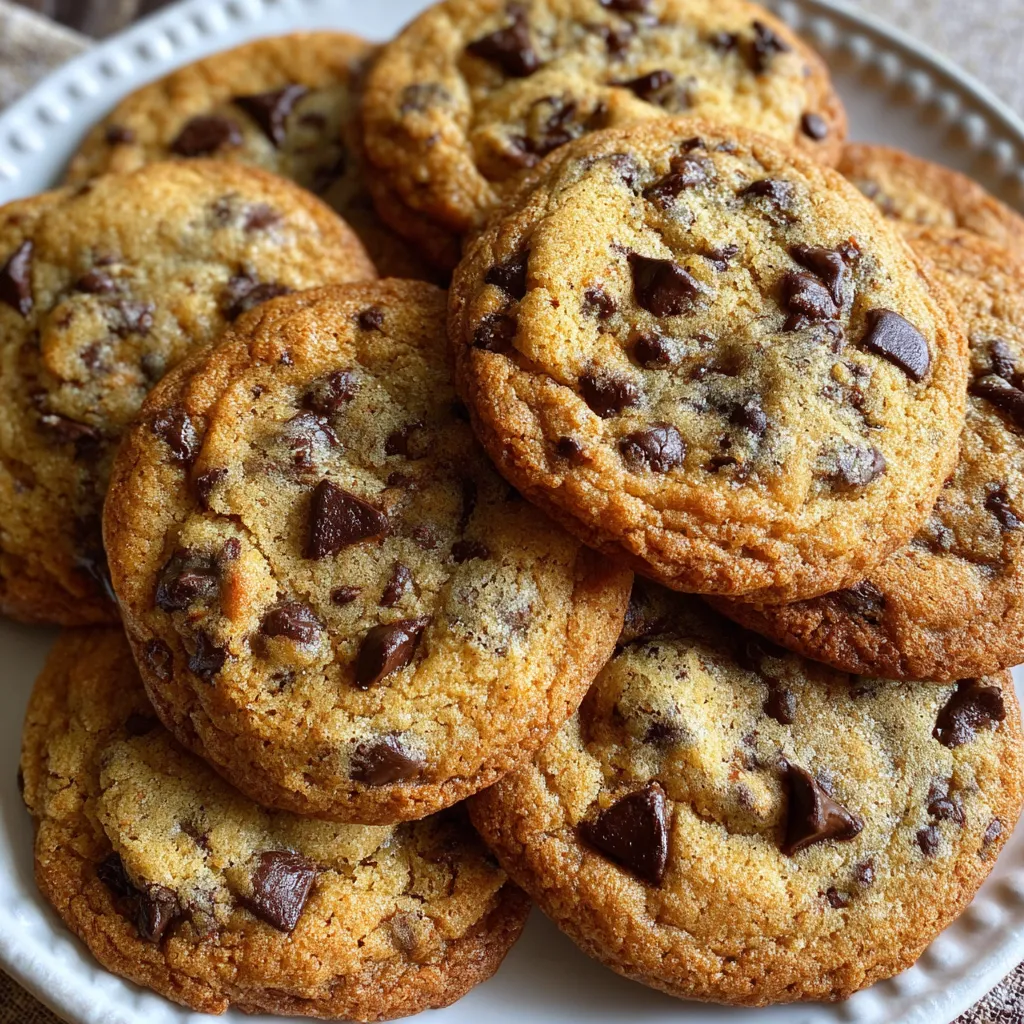

Chewy Soft Chocolate Chip Cookies
Description
These cookies combine a tender interior with slightly crisp edges, releasing ribbons of melted chocolate that ooze at first bite. The dough’s subtle vanilla notes and buttery depth create pure comfort.
Ingredients
Instructions
-
Preheat oven to 375°F (190°C) and line baking sheets with parchment paper.
-
In a medium bowl whisk together flour, baking soda, and salt.
-
In a large bowl beat butter, granulated sugar, and brown sugar until creamy.
-
Add vanilla extract and eggs one at a time, mixing well after each addition.
-
Gradually add the flour mixture and stir until just combined.
-
Fold in the chocolate chips until evenly distributed.
-
Scoop dough in tablespoonfuls onto prepared sheets, spacing about 2 inches apart.
-
Bake for 9 to 11 minutes until edges are lightly golden but centers remain soft.
-
Let cookies cool on the baking sheet for 2 minutes, then transfer to a wire rack to cool completely.
Note
- Using room temperature ingredients helps achieve a uniform dough.
- Chilling the dough for 30 minutes can prevent excessive spreading.
- Store cookies in an airtight container to maintain softness.
- These cookies can be frozen after baking or freeze dough balls for later baking.