

Embark on a zesty journey with Wild Fermented Salsa that celebrates the vibrant, tangy world of fresh, organic ingredients! This delightful salsa bursts with lively flavors from ripe tomatoes, zesty lime, and fresh cilantro, all enhanced by wild fermentation for that unique probiotic twist. It’s the kind of recipe that feels both ancient and new—ancient because people have preserved peppers and tomatoes in salt brine for centuries, and new because it brings a bright, modern pop of tang to your favorite snacks. There’s no cooking required here, just a simple mash, a bit of patience, and voilà: you have a living, breathing condiment that will enliven any meal.
The beauty of this recipe lies in its playful simplicity and beginner-friendly approach. In just 30 minutes of hands-on prep, you’ll chop, mix, and season your way to a fermented masterpiece. Then comes the magic rest time—2 to 3 days at room temperature—where the flavors meld, fizz, and develop that irresistible tang. With only about 80 calories per 1/4 cup, it makes for a light appetizer or lunch addition that feels indulgent without weighing you down. Whether you’re a seasoned fermenter or taking your first leap into probiotic foods, this salsa invites you to taste, learn, and savor every lively bite.
KEY INGREDIENTS IN WILD FERMENTED SALSA
Every sensational salsa starts with top-quality ingredients that each play a crucial role in flavor development and fermentation success. For this wild fermented salsa, we combine fresh produce, aromatic seasonings, and just the right amount of salt to create an ideal environment for friendly bacteria to thrive.
- Tomatoes
Juicy, ripe tomatoes supply natural sugars and moisture, forming the saucy base of the salsa and fueling the fermentation process.
- Onion
Finely chopped onion adds savory depth, balancing the bright acidity of tomatoes and contributing gentle sweetness as it softens during fermentation.
- Garlic
Minced garlic brings bold, aromatic complexity and offers antimicrobial properties that help guide a clean ferment.
- Jalapeño Peppers
Chopped jalapeños (seeds removed for milder heat) offer that signature kick and release capsaicin, which mellows and deepens in flavor over the ferment.
- Red Bell Pepper
Crisp red bell pepper delivers a sweet, fruity counterpoint to the heat, adding color and crunchy texture before it softens.
- Cilantro
Fresh cilantro leaves bring a citrusy, herbal brightness that transforms each spoonful into a fragrant celebration of flavors.
- Lime
Juiced lime adds zesty acidity, enhancing the overall tang and encouraging a vibrant, fresh taste.
- Sea Salt
Sea salt not only seasons but also creates the ideal brine strength to support beneficial lacto-fermentation and inhibit unwanted microbes.
- Cumin
Ground cumin offers warm, earthy undertones that weave through the salsa, giving it a subtle smoky nuance.
- Black Pepper
A dash of black pepper brings mild heat and aromatic spice, rounding out the flavor profile.
- Clean Jar
A spotless jar is essential to ensure a safe fermentation environment, keeping unwanted bacteria at bay and preserving the pure taste.
HOW TO MAKE WILD FERMENTED SALSA
Turning fresh ingredients into a tangy, probiotic salsa is simpler than you might think. With just a few straightforward steps, you’ll mix, season, and ferment your way to deliciousness. Each action—from chopping to packing—is designed to maximize flavor extraction and create the perfect environment for wild fermentation.
1. Start by preparing all your vegetables. Make sure to chop the tomatoes, onion, jalapeños, and bell pepper. Mince the garlic and finely chop the cilantro so that every bite is bursting with evenly distributed flavor.
2. In a large mixing bowl, combine the chopped tomatoes, onion, garlic, jalapeños, bell pepper, and cilantro. Gently toss until the ingredients are mingling in a colorful, fragrant medley.
3. Add the juice of one lime to the mixture. This fresh, zesty element brightens the salsa and introduces just the right amount of acidity to kick-start the ferment.
4. Season the mixture with sea salt, cumin, and black pepper. Mix everything thoroughly to ensure an even distribution of flavors and proper brine formation.
5. Transfer the salsa mixture into a clean fermentation jar. It’s important to pack the ingredients down tightly, using a spoon or fermenting tool, to remove air bubbles and create a uniform brine.
6. Seal the jar loosely with its lid or cover it with a cloth secured by a rubber band. This allows fermentation gases to escape while keeping contaminants out.
7. Leave the jar at room temperature away from direct sunlight for 2 to 3 days. Fermentation time may vary depending on the ambient temperature—around 70°F (21°C) is ideal.
8. Taste the salsa after a couple of days to check if the fermentation has reached your desired tanginess. If you prefer a stronger ferment, simply leave it for an additional day.
9. Once fermented to your liking, refrigerate the salsa. This will slow the fermentation process and preserve the lively flavors you’ve created.
10. Enjoy your wild fermented salsa with chips, tacos, or any dish of your choice! Each spoonful offers lively fizz and complex taste.
SERVING SUGGESTIONS FOR WILD FERMENTED SALSA
After waiting patiently for your salsa to ferment, it’s time to celebrate by pairing it with dishes that showcase its vibrant tang and slight fizz. The lively flavors and crunchy texture make this salsa a versatile companion at any table. Whether you’re hosting a casual movie night or a backyard barbecue, these serving ideas will elevate your experience and highlight the salsa’s probiotic goodness.
- Serve with Tortilla Chips
Scoop the salsa into a chilled bowl and surround it with sturdy, crispy tortilla chips. The contrast between crunchy chips and fizzy salsa guarantees a mouthwatering bite.
- Top Street-Style Tacos
Spoon generous dollops of salsa over warm, soft corn tortillas filled with grilled meats or roasted vegetables. The tangy punch brightens each bite and adds a pop of color.
- Enhance Grain Bowls
Drizzle your fermented salsa over bowls of quinoa, brown rice, or farro, topped with roasted veggies and a protein. The salsa’s acidity cuts through rich ingredients, balancing every forkful.
- Use as a Marinade or Finishing Sauce
Mix the salsa into marinades for chicken, fish, or tofu, or brush it on grilled vegetables just before serving. The natural probiotics add depth, while the spices infuse smoky, savory notes.
HOW TO STORE WILD FERMENTED SALSA
Proper storage ensures your wild fermented salsa retains its flavor, texture, and probiotic benefits. Once the ferment reaches your preferred tanginess, a few simple steps will keep your salsa fresh for weeks. Cleanliness and temperature control are key factors in preserving both safety and taste.
- Refrigerate in the Fermentation Jar
After tasting and tightening the lid, place the jar in the refrigerator. Cooler temperatures slow down further fermentation, maintaining the salsa’s ideal tang and effervescence for up to several weeks.
- Transfer to an Airtight Container
If you prefer portions, move the salsa into smaller, sterilized glass containers with tight-fitting lids. This reduces exposure to air each time you open the jar, helping to preserve freshness.
- Always Use Clean Utensils
When scooping out salsa, employ a clean spoon or fork to avoid introducing unwanted bacteria. Cross-contamination can shorten the shelf life and affect flavor.
- Keep at a Consistent Temperature
Store your salsa away from temperature fluctuations in the back of the refrigerator. Sudden changes can lead to off-flavors or uneven carbonation, so choose a stable, cool spot.
CONCLUSION
Wild Fermented Salsa captures everything you love about classic salsa—ripe tomato sweetness, lime zing, cilantro brightness—while adding an exhilarating live-culture twist. This beginner-friendly recipe takes just 30 minutes of prep and a few days of patient fermenting to deliver a dynamic, probiotic-packed condiment ideal for appetizers, lunches, or garnishes. By using fresh, organic ingredients and a pinch of sea salt, you create a tangy, effervescent blend that’s as good for your gut as it is for your taste buds. With only about 80 calories per quarter-cup serving, this salsa fits seamlessly into healthy meal plans, adding vibrant flavor without the extra calories.
Feel free to print and save this article so you can refer back whenever you’re craving that bright, fizzy kick. You’ll also find a FAQ section below to answer common questions and troubleshooting tips for your fermenting adventure. If you try this recipe or need help perfecting your wild ferment, I’d love to hear from you—share your experiences, ask questions, or drop any feedback in the comments. Your kitchen triumphs and curiosity inspire more lively recipes, so let’s keep the conversation going!
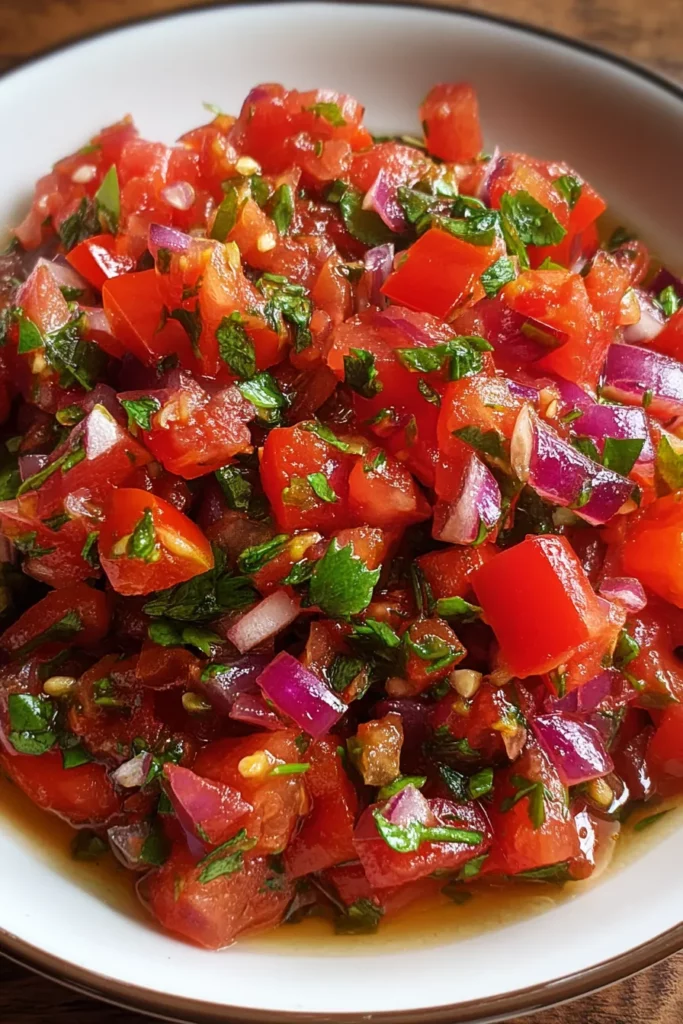

Wild Fermented Salsa
Description
This salsa bursts with lively flavors from ripe tomatoes, zesty lime, and fresh cilantro, all enhanced by wild fermentation for a unique twist. Perfect with chips or tacos!
Ingredients
Instructions
-
Start by preparing all your vegetables. Make sure to chop the tomatoes, onion, jalapeños, and bell pepper. Mince the garlic and finely chop the cilantro.
-
In a large mixing bowl, combine the chopped tomatoes, onion, garlic, jalapeños, bell pepper, and cilantro.
-
Add the juice of one lime to the mixture. This will add a fresh, zesty flavor to your salsa.
-
Season the mixture with sea salt, cumin, and black pepper. Mix everything thoroughly to ensure even distribution of flavors.
-
Transfer the salsa mixture into a clean fermentation jar. It's important to pack the ingredients down tightly to remove air bubbles.
-
Seal the jar loosely with its lid or cover it with a cloth secured by a rubber band. This allows the fermentation gases to escape while preventing contaminants from entering.
-
Leave the jar at room temperature away from direct sunlight for 2 to 3 days. Fermentation time may vary depending on the ambient temperature.
-
Taste the salsa after a couple of days to check if the fermentation has reached your desired tanginess. If you prefer a stronger ferment, leave it for an additional day.
-
Once fermented to your liking, refrigerate the salsa. This will slow the fermentation process and preserve the flavors.
-
Enjoy your wild fermented salsa with chips, tacos, or any dish of your choice!
Note
- The salsa will be slightly fizzy due to the fermentation process.
- The perfect fermenting temperature is around 70°F (21°C).
- Use fresh, organic ingredients for the best flavor and fermentation.
- Fermented salsa can last in the refrigerator for several weeks.
- Make sure your fermentation jar is impeccably clean to avoid unwanted bacteria.